


NY HJEMMESIDE
360º webudvikling
Jeg arbejder med 360° webudvikling af din nye hjemmeside. Det betyder at jeg ikke kun fokuserer på at du får en lækker hjemmeside, men også med alle de andre ting som jeg mener bør være basis i et projekt.
Det betyder at hjemmesiden er sikker, fremadrettet er nem at udvikle på, virker på mobile enheder, der er backup, den er søgemaskinevenlig, optimeret til Google, du kan findes lokalt på Google Maps… Og alle de andre ting der hører med til et sådan projekt!
Hjemmeside fra A-Å
Når vi snakker om en ny hjemmeside eller opdatering af en eksisterende hjemmeside så har jeg nogle ting jeg lægger vægt. Nogle af tingene gør at der i starten af et projekt skal lægges lidt flere timer, men det betaler sig hurtigt hjem da hjemmesiden og alle ting nu står og arbejder for en.
- Jeg lægger stor vægt på, at vi kommer hele vejen rundt (360º) og ikke kun fokuserer på, at hjemmesiden “bare” skal i luften.
- Arbejdet med hjemmesiden skal ske i samarbejde med kunden. Jeg ved hvad der skal laves teknisk og ved hvad der skal til for at man kommer højt op på Google osv. Men det er kunden der har den faglige ekspertise inden for sit område.
- Hjemmesiden skal være lavet sådan, at det fremadrettet er nemt at udvikle og lave nye ting til hjemmesiden hvis det ønskes. Basis skal være i orden!
- Der skal måles på hvorledes hjemmesiden klarer sig i Google, Google Maps osv. Det skal være med fra dag et og når man så er klar til at kaste nogle timer i det har vi dataene klar så man kan arbejde på det der giver værdi.
- En hjemmeside er noget der løbende skal arbejdes med. Jeg plejer at sig at når først den er kommet i luften, at så er det at arbejdet begynder for alvor!
- Endelig er det vigtigt at der forventningsafstemmes så jeg laver det som giver værdi for kunden.
En lækker og overskuelig hjemmeside
Grundlæggende så kan jeg godt selv lide en overskuelig og lækker hjemmeside som er til at finde rundt i. Og det er så også det jeg laver når jeg udarbejder en ny hjemmeside (plus alt det andet!) eller opdaterer en eksisterende.
Har du lyst til at give den gas så er der ingen problemer med det, det skal bare både passe til virksomheden samt det må ikke gå for meget ud over hastigheden.
Så videobaggrunde, animationer og andre ting kan sagtens lade sig gøre, det skal bare gøres kontrolleret…
Seagaard Web
Min baggrund
Mit navn er Søren Søgaard, bor i Silkeborg og arbejder til daglig som IT-Projektleder. Seagaard Web er min fritidsfornøjelse og jeg kan derfor nemmere kaste min energi ind i de forskellige projekter da det også lidt er en hobby.
Lidt Web erfaring er det blevet til
Jeg er 58 år gammel og har mange års erfaring med intranet, hjemmesider, webshop. Jeg har været med hele vejen lige fra dengang jeg håndkodede de første hjemmesider og det første intranet til et sygehus.
Siden da er det blevet til mange forskellige projekter og jeg har arbejdet med projekter fra 10.000 kr. til 5 millioner kr. Jeg elsker dog alle slags projekter og kan godt lide, at være tæt på kunden og det endelige produkt hvilket jeg er i Seagaard Web.
De typiske kunder i Seagaard Web er den mindre virksomhed i Silkeborg området der har brug for 1 til 10 timers hjælp om måneden. Det er mig i taler med og mig der laver alt arbejdet.
Mange hjemmesider senere…
Jeg har været vidt omkring: Hjemmeside for Silkeborg Sygehus, Hammel Neurocenter, Massør og Kranio Sakral Terapeut, Jordomrejse, Privatklinik, Højtryksrensere, Sexolog, Parterapeut, Politiken Skak, Region Midtjylland, Herning Kommune og så videre… Jeg har 20+ års erfaring.
I dag arbejder jeg i Seagaard Web kun med WordPress hjemmesider. I mit tilfælde giver det god mening da jeg ikke har behov for et kæmpe setup, og mine kunder rigeligt kan få dækket behovet for en lækker og gennemarbejdet hjemmeside.
Der findes masser af rigtig gode systemer derude, men jeg benytter som sagt WordPress.
WordPress
Open Source CMS
WordPress er Open Source er det mest udbredte system til at lave hjemmesider, blogs mm. WordPress kan bruges af alle fra de helt små til de helt store sites.
WordPress er et superlækkert cms
For at tage det vigtigste først: WordPress er et super lækkert cms som kan bruges til at udvikle og vedligeholde små og store websites. Det er gratis og der er et hav af templates, plugins, udvidelser som man enten kan bruge gratis eller købe sig til. Jeg kan godt lide tanken om at man kun køber det som giver værdi for kunden.
Intet er gratis!
Når det er sagt så er der jo intet her i tilværelsen som er gratis. WordPress er gratis, men for at få fuld værdi er det nødvendigt at man ved hvad man har med at gøre.
Skidtet skal vedligeholdes og gør man ikke det er man i farezonen for at sitet enten ikke virker som det skal eller også er der fare for hackere. Det der er populært bliver angrebet, sådan er det. Men det er der styr på!
Plugins til WordPress
Jeg har stor tillid til WordPress og de plugins jeg vælger at anbefale da jeg har testet det gennem årene. Alligevel kan det gå galt og et eksempel var da et meget højt estimeret og meget (som i meget!) udbredt sikkerhedsmodul havde en fejl ;-(
Jeg fik en advarsel pga. overvågningen, og kunne hurtigt få udbedret fejlen så det blev heldigvis ikke det store problem. Men bare for at sige at skidtet skal vedligeholdes og overvåges! Så jeg tilbyder at opdatere og overvåge sitet når først det er i luften.
WordPress standardtemaer
Når jeg arbejder med WordPress tager jeg udgangspunkt i et tema og en template så vi kan spare en masse tid. Derefter tilpasser jeg og udvider den så den får sit eget “liv” og passer til kundens ønsker. Det er endnu ikke lykkedes mig ikke at ramme noget som ikke passer! Samtidig er det forberedt til at kunne udvides i takt med kundens behov.
Kunder
Hjælp til ny hjemmeside
Jeg har samlet et par udtalelser fra nuværende kunder så du ikke kun skal stole på mit ord om at jeg er engageret og har store ambitioner på mine kunders online tilværelse!

“Søren har som webmaster til fulde indfriet målsætningen. Jeg har med support fra Søren skrevet teksterne. Søren har fået min hjemmeside og Google til at blive ”venner”, så jeg fra januar 2019 og fremefter har haft løbende tilgang af kunder, som kommer direkte via deres søgning på Google.
De fleste af dem kender ikke til mig i forvejen og bestiller bare en tid på hjemmesidens online kalender.”
Jens Jakob Grundvad, Aktionspotentiale – https://aktionspotentiale.dk
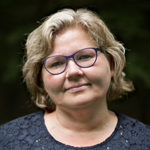
“Jeg vil gerne rose dig, du er helt klart den bedste web mand jeg har haft på. Jeg kan virkelig mærke, at du ved en masse om det du laver og det er ret fedt for mig som kunde.”
Sanne Sienna Svensson, Indre Mod – https://indremod.nu/
“Det er blevet en rigtig fin hjemmeside, og de ting du har lavet ser super godt ud!”
Specialopsætning med WooCommerce, online betaling, backend tilpasning mv.
Maria, Aqua Cleaner – https://aquacleaner.dk/
Ovenstående er blot nogle af de seneste projekter som jeg har udviklet i samarbejde med kunden. Web adresser:
Kontakt
Jeg ser frem til at høre om dit projekt!
Brug formularen og skriv lidt om dig selv og hvad du gerne vil have hjælp til. Så kontakter jeg dig hurtigst muligt så vi kan se på hvad jeg kan hjælpe dig med – stort som småt!
Seagaard IT
CVR 25984404
Dalbrinken 3, 8600 Silkeborg
4142 5355
soren@seagaard.dk